Emergency and Critical Care
When Every Second Counts: Understanding Emergency and Critical Care
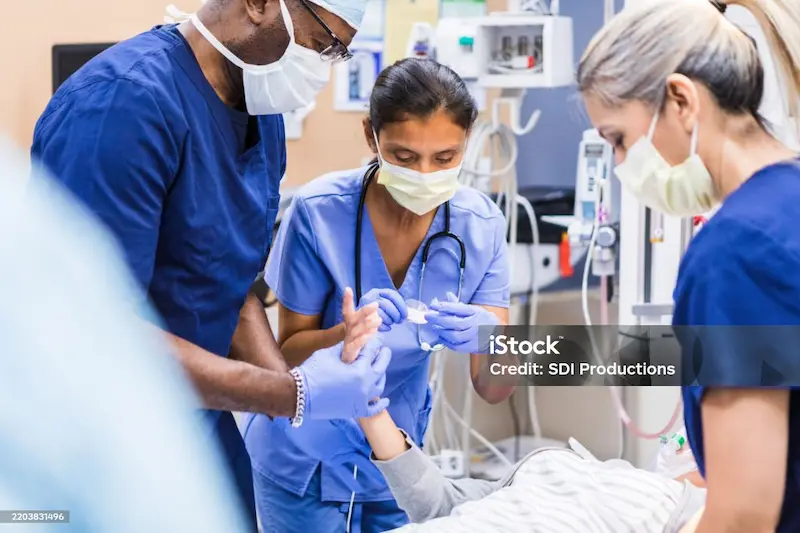
Medical emergencies rarely come with a warning. One moment everything feels normal, and the next, there is panic – a sudden chest pain, a road accident, difficulty breathing, high fever with seizures, or an unconscious loved one. In such situations, what matters most is immediate medical attention. This is where the Department of Emergency and Critical Care plays a lifesaving role.
The Emergency Department is often described as the "front door" of the hospital. It operates 24 hours a day, 7 days a week, ready to respond to urgent and life-threatening conditions. Whether it is a child with severe dehydration, an elderly patient with stroke symptoms, or a trauma victim from a road accident, the emergency team is trained to act quickly and efficiently.
In an emergency, time is critical. The first few minutes – sometimes called the "golden minutes" – can determine outcomes. For example, in a heart attack or stroke, early treatment can prevent permanent damage and significantly improve survival chances. Quick assessment, rapid diagnosis, and prompt treatment are the foundations of emergency care.
When a patient arrives at the emergency department, the first step is triage. Triage is a system used to prioritize patients based on the severity of their condition. Those with life-threatening problems are attended to immediately, while less critical cases may wait briefly. This ensures that the sickest patients receive urgent care without delay.
Common emergencies treated in this department include chest pain, breathing difficulty, severe infections, high fever in infants, uncontrolled bleeding, fractures, poisoning, burns, seizures, severe allergic reactions, and sudden unconsciousness. Emergency physicians are trained to handle a wide range of medical and surgical crises. They work closely with specialists such as cardiologists, neurologists, surgeons, and intensivists when advanced care is required.
Critical Care, often provided in the Intensive Care Unit (ICU), is the next level of support for patients who are severely ill or unstable. Not all emergency patients require ICU admission, but those with serious conditions such as severe infections (sepsis), major trauma, respiratory failure, organ failure, or post-major surgery complications may need close monitoring in a critical care setting.
In the ICU, patients are monitored continuously. Advanced equipment tracks heart rate, blood pressure, oxygen levels, breathing patterns, and other vital signs. Some patients may require ventilators to support breathing, medications to maintain blood pressure, or dialysis if kidney function is affected. The goal of critical care is to stabilize the patient, support failing organs, and provide intensive treatment until recovery begins.
Family members often feel overwhelmed when a loved one is admitted to the ICU. The environment, with its machines and alarms, can be intimidating. It is important to understand that these monitors are there to ensure safety and immediate response to any change in condition. Critical care teams consist of specially trained doctors, nurses, and technicians who work round the clock to provide expert care.
Prevention and awareness also play an important role in reducing emergency situations. Recognizing warning signs early can prevent complications. For instance, sudden weakness on one side of the body, slurred speech, and facial drooping may indicate a stroke and require immediate medical attention. Persistent chest pain or pressure should never be ignored. Severe abdominal pain, high fever with rash in children, or sudden confusion in elderly individuals are also signs that urgent care may be needed.
It is equally important not to delay seeking help due to fear or hesitation. Some people try home remedies or wait for symptoms to improve, losing valuable time. In emergencies, early hospital arrival can make the difference between full recovery and long-term complications.
Emergency departments are also prepared for mass casualty incidents and disaster situations. Coordination, teamwork, and well-established protocols ensure organized and efficient response even during high-pressure situations.
While emergency and critical care focus on urgent treatment, communication and compassion remain central to patient care. Medical teams understand that families are anxious and distressed. Clear explanations, timely updates, and emotional support are essential parts of the healing process.
Modern emergency medicine combines speed with precision. Rapid diagnostic tools such as blood tests, ECG, imaging scans, and bedside ultrasound help doctors make quick and accurate decisions. Early intervention often reduces the need for prolonged hospitalization.
Ultimately, the Department of Emergency and Critical Care exists to protect life during its most vulnerable moments. Whether it is stabilizing a patient after an accident, managing a sudden medical crisis, or providing intensive monitoring for a critically ill individual, the goal remains the same – to act swiftly, effectively, and compassionately.
Emergencies are unpredictable, but preparedness saves lives. Knowing when to seek help and trusting trained professionals during critical moments ensures the best possible outcome for you and your loved ones.